
Previous Topic
Chemistry
Biology

Home

Math
Physics

Next Subject
Previous Topic
Chemistry
Biology
Home
Math
Physics
Next Subject
Electrochemistry is the branch of physical chemistry focused on the laws that govern the generation of electricity through chemical combinations. Physical chemistry, meanwhile, is the science that analyzes the relationships between the chemical and physical properties of matter.
One of the purposes of electrochemistry is to understand the chemical reactions that occur at the interface of an electrode and an electrolyte. The electrode is the end of an electrical conductor that is in contact with a medium and allows an electrical current to be received or transmitted. The electrolyte, on the other hand, is the substance that undergoes electrolysis (i.e., a process of decomposition into ions caused by current).
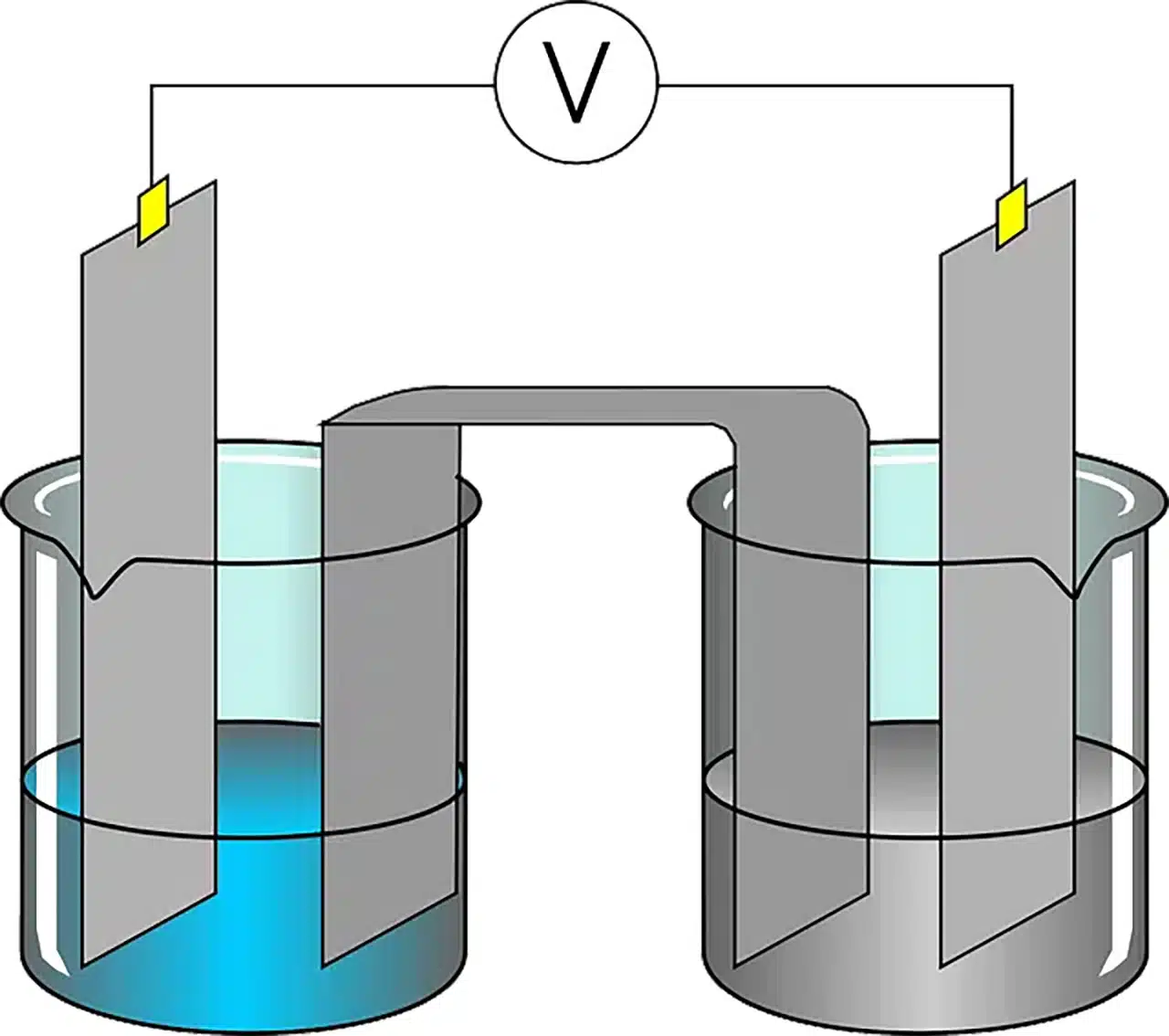
Electrochemistry analyzes how electricity is generated from chemical combinations.
At the end of the 18th century, scientists began to explore the relationship between electricity and chemical changes. One of the first important milestones was the discovery of the voltaic pile by Alessandro Volta in 1800. The voltaic pile was the first device capable of generating a constant electric current through the chemical reaction between metals and conductive liquid substances.
In the 1830s, Michael Faraday conducted numerous experiments and formulated the fundamental laws of electrochemistry. Faraday established the quantitative relationship between the amount of electricity passing through an electrolyte solution and the chemical reactions occurring at the electrodes. His contributions laid the foundation for the understanding of electrolysis and the development of electrochemical cells.
In the 19th century, electrochemistry found practical applications in industry and technology. Galvanization, the process of coating metal objects with a protective layer, became a common technique. Furthermore, obtaining aluminum through the electrolysis process of aluminum oxide enabled its large-scale production.
As the 20th century progressed, electrochemistry spread to fields such as energy and biology. The development of rechargeable batteries and fuel cells, which harness electrochemical reactions to generate and store energy, revolutionized portable technology and electric vehicles. Furthermore, electrochemistry played a crucial role in advancing neuroscience and the understanding of biological processes involving redox reactions.

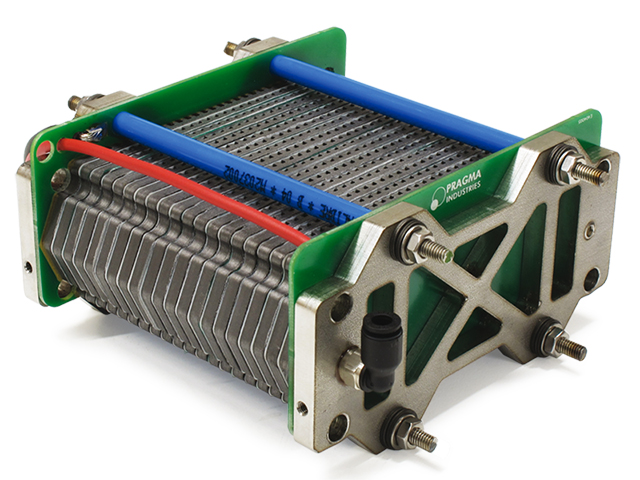
Electrochemistry remains an active field of research today and is applied in a wide range of areas, including electronic device manufacturing, renewable energy storage, chemical synthesis, and medicine. Understanding and controlling electrochemical reactions are critical to addressing environmental and energy challenges, and electrochemistry is expected to play an increasingly important role in developing sustainable and technological solutions in the future.


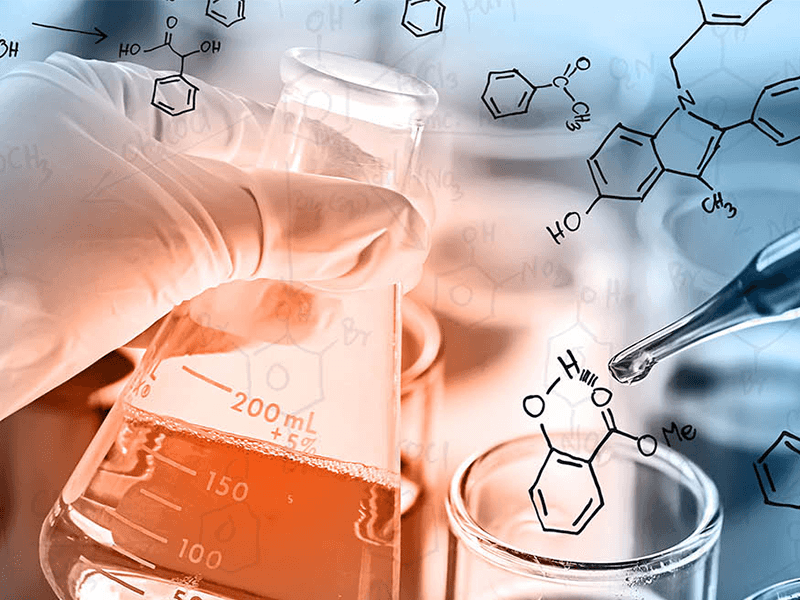
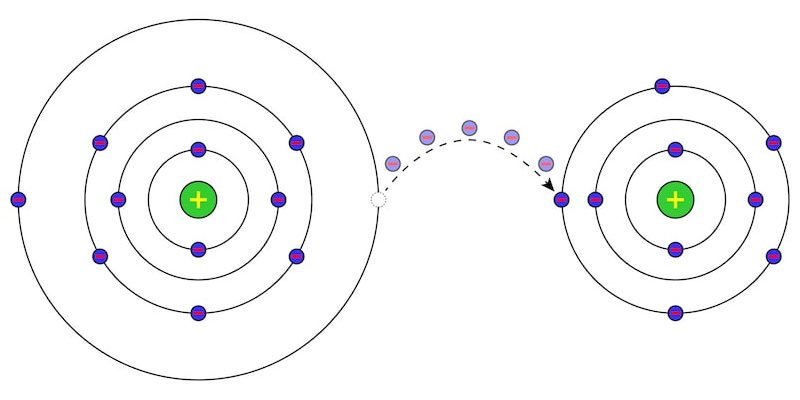
When there is electron transfer between the Molecules involved in a chemical reaction are called reduction-oxidation reactions (redox reactions). These reactions are key to the production of electricity. The transfer generated in the redox reaction occurs between oxidizing and reducing elements. In this context, energy is released and transformed into electricity.
An electrochemical cell is a device that starts with a chemical reaction to obtain electrical energy, or vice versa (when the addition of electrical energy produces a chemical reaction). These cells consist of two electrodes immersed in an electrolyte solution that allows the flow of ions.
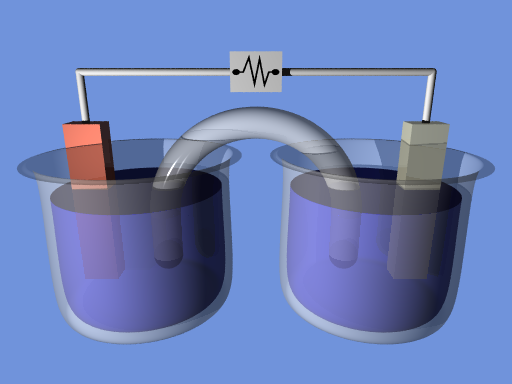
The electrode where oxidation occurs is called the anode, while the electrode where reduction occurs is called the cathode. During cell operation, electrons are released at the anode and travel through an external circuit, generating an electric current.
A voltaic cell, or galvanic cell in this context, is a type of electrochemical cell that acquires electrical energy thanks to the spontaneous redox reactions that occur within it. Batteries are simple voltaic cells. Electric batteries, in turn, are made up of several voltaic cells connected in parallel or series.
Remember to review the answers to the open-ended questions at the bottom of this page.
Once you click this button, the questions will close, and you won't be able to change your answer.
We recommend visiting the following material for further knowledge or understanding on the topic:
1. Electrochemistry 2. Electrochemistry basics 3. What is electrochemistry ?6. Electrochemistry studies the relationships between chemical reactions and electricity.
7. Michael Faraday formulated the fundamental laws of electrolysis in the 1830s.
8. The anode is the electrode where oxidation (loss of electrons) occurs, while the cathode is where reduction (gain of electrons) occurs.
9. During the 19th century, electrochemistry enabled the development of techniques such as galvanizing and the production of aluminum through the electrolysis of aluminum oxide.
10. Because it enables the development of technologies such as rechargeable batteries and fuel cells, which are key to the storage and efficient use of renewable energy.
References:
1. Porto, J. P., & Gardey, A. (2023, 10 mayo). Electroquímica - Qué es, historia, definición y concepto. Definición.de. https://definicion.de/electroquimica/ https://definicion.de/electroquimica/
2. Electrochemistry. (s. f.). Chemistry. https://ncert.nic.in/textbook/pdf/lech102.pdf https://ncert.nic.in/textbook/pdf/lech102.pdf
3. Libretexts. (2023c, agosto 29). Electrochemistry Basics. Chemistry LibreTexts. https://chem.libretexts.org/Bookshelves/Analytical_Chemistry/Supplemental_Modules_(Analytical_Chemistry)/Electrochemistry/Basics_of_Electrochemistry https://chem.libretexts.org/Bookshelves/Analytical_Chemistry/Supplemental_Modules_(Analytical_Chemistry)/Electrochemistry/Basics_of_Electrochemistry
4. Admin. (2023g, agosto 21). Electrochemistry. BYJUS. https://byjus.com/jee/electrochemistry/ https://byjus.com/jee/electrochemistry/
5. CrashCourse. (2013g, octubre 29). Electrochemistry: Crash course Chemistry #36 [Vídeo]. YouTube. https://www.youtube.com/watch?v=IV4IUsholjg https://www.youtube.com/watch?v=IV4IUsholjg
6. Professor Dave Explains. (2016a, enero 18). Electrochemistry [Vídeo]. YouTube. https://www.youtube.com/watch?v=2VT5rl8P84M https://www.youtube.com/watch?v=2VT5rl8P84M
7. Najam Academy. (2021, 6 diciembre). Introduction to Electrochemistry [Vídeo]. YouTube. https://www.youtube.com/watch?v=3xDz4s-rlz4 https://www.youtube.com/watch?v=3xDz4s-rlz4