
Previous Topic
Chemistry
Biology

Home

Math
Physics

Next Topic
Previous Topic
Chemistry
Biology
Home
Math
Physics
Next Topic
Organic chemistry is the study of organic substances and compounds, meaning that their atomic structure is based on the combinatorial elements carbon, hydrogen, and others such as sulfur and oxygen. Furthermore, organic compounds constitute the different forms of living beings on our planet.
In this sense, organic chemistry as a field of study is interested in the structure, behavior, properties, and uses of these types of chemical compounds. Therefore, it is essential to understanding how life works and the various energy and industrial processes that the human species has developed throughout its history.
In modern chemistry, the elements that form organic compounds are those that usually appear in living organisms and their derived compounds, such as carbon (C), hydrogen (H), sulfur (S), oxygen (O), nitrogen (N), and all halogen elements.
Although the elements mentioned are the most common, organic substances can also be composed of other elements, both organic and inorganic.
The origin of the name "organic chemistry" comes from certain scientific theories that were in vogue until The mid-19th century, who proposed that organic compounds were necessarily the remains or residues of ancient living beings. Therefore, they maintained that all organic matter came from their bodies.
However, in 1828, the German chemist Friedrich Wöhler realized that inorganic substances such as ammonium cyanate (CH4N2O) could be converted, through certain chemical processes, into an organic substance such as urea, which is found in the urine of many animals, for example.
Wöhler obtained the first evidence that organic and inorganic matter could have a common origin, not necessarily related to life.
Organic chemistry began to become a fundamental branch of modern chemistry in the 20th century, when new research methods emerged thanks to technology. This led to a better understanding of the processes inherent in organic compounds. Biology and medicine also played an important role in this.
Organic compounds are classified as follows:
According to the way they are produced.
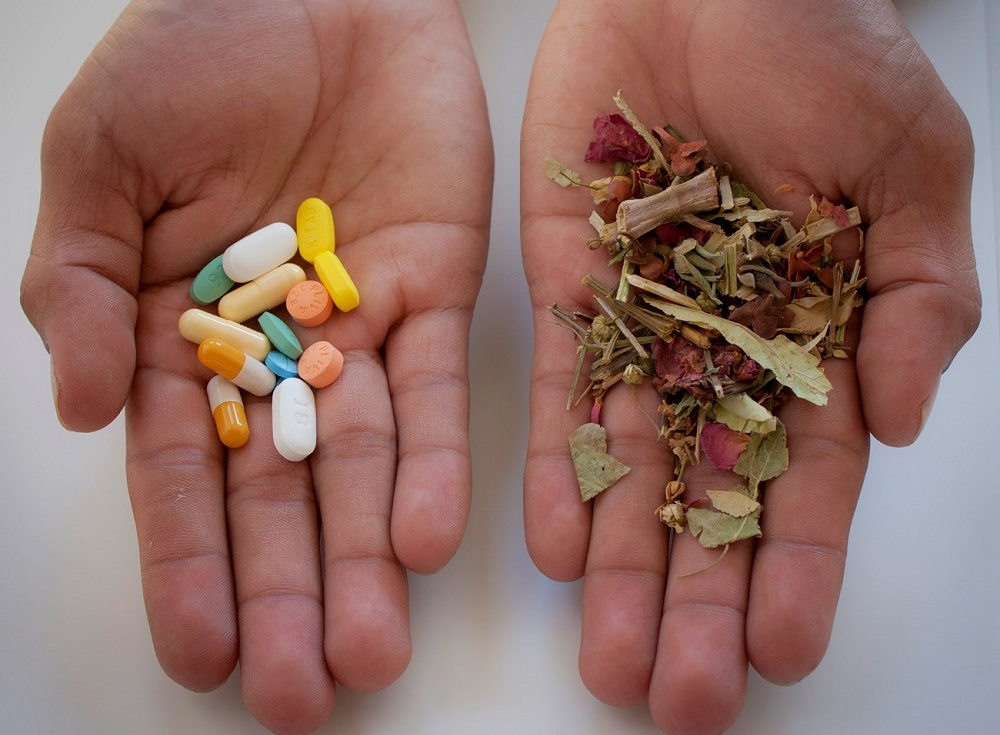
Natural compounds: These are synthesized by both living organisms and natural processes. In either variant, humans do not intervene to synthesize them. For example: proteins, lipids, and nucleic acids can be synthesized by living organisms, while petroleum can be produced as a result of geological processes that take thousands of years.
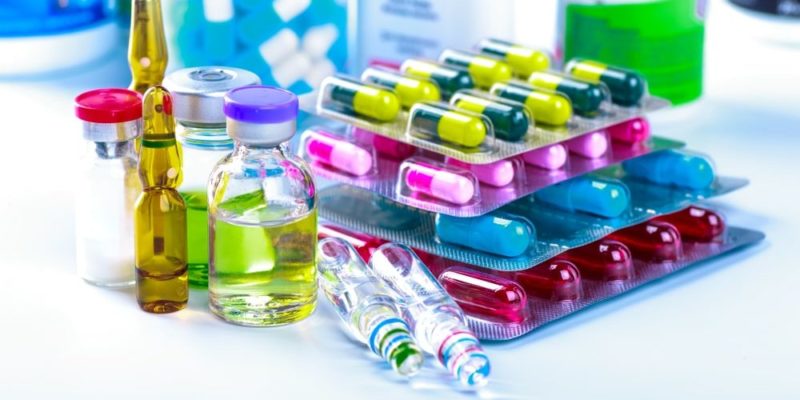
Synthetic compounds: These are artificially synthesized by humans in chemical laboratories. For example: pharmaceuticals, dyes, plastics, among other products.
According to the type of structure.
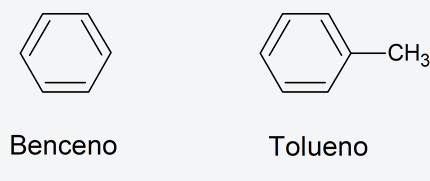
Aromatic hydrocarbons: These are cyclic organic compounds (ring-shaped) that have the peculiarity in their structure of alternating a single bond with a multiple bond, usually a double bond. The alternating bonds causes a delocalization of the electrons around the ring, which gives this type of structure great stability. Most are derived from benzene.
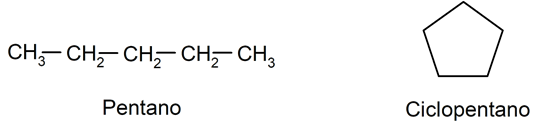
Aliphatic hydrocarbons: These are hydrocarbons that do not have an aromatic character. They can be linear or cyclic.
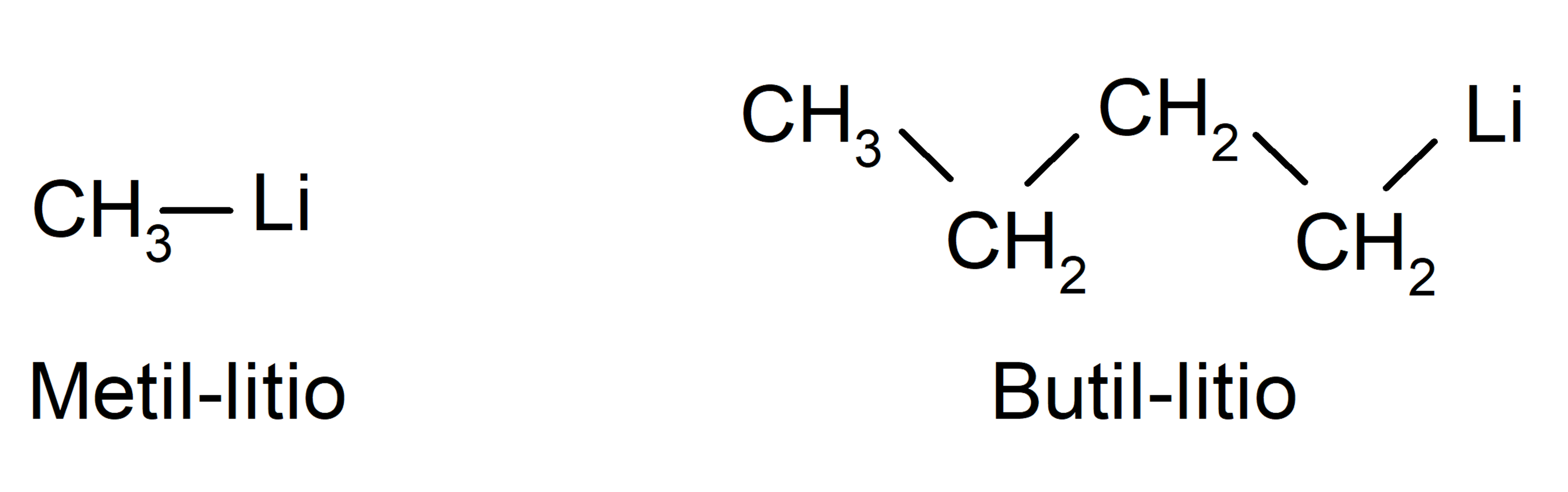
Organometallic compounds: These are organic compounds made up of carbon atoms covalently bonded to one or more atoms of a metallic element.
According to the functional groups they have.
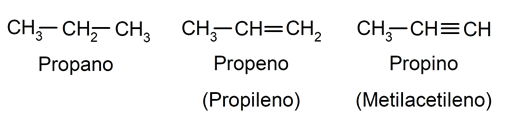
Alkanes, alkenes, and alkynes: These are hydrocarbons that contain structures based on carbon and hydrogen, although they can also have other atoms linked to them. In alkanes, the carbon atoms are linked by single bonds, in alkenes by double bonds, and in alkynes by triple bonds.
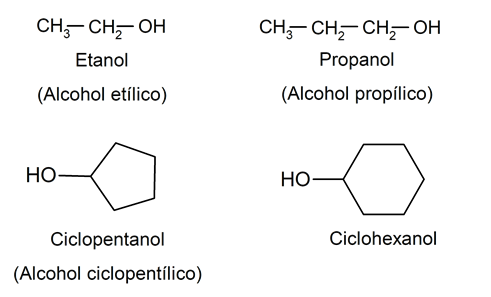
Alcohols: These are hydrocarbons in which one hydrogen atom is replaced by a hydroxyl group (-OH). If several hydroxyl groups replace several hydrogen atoms, they are called polyols.
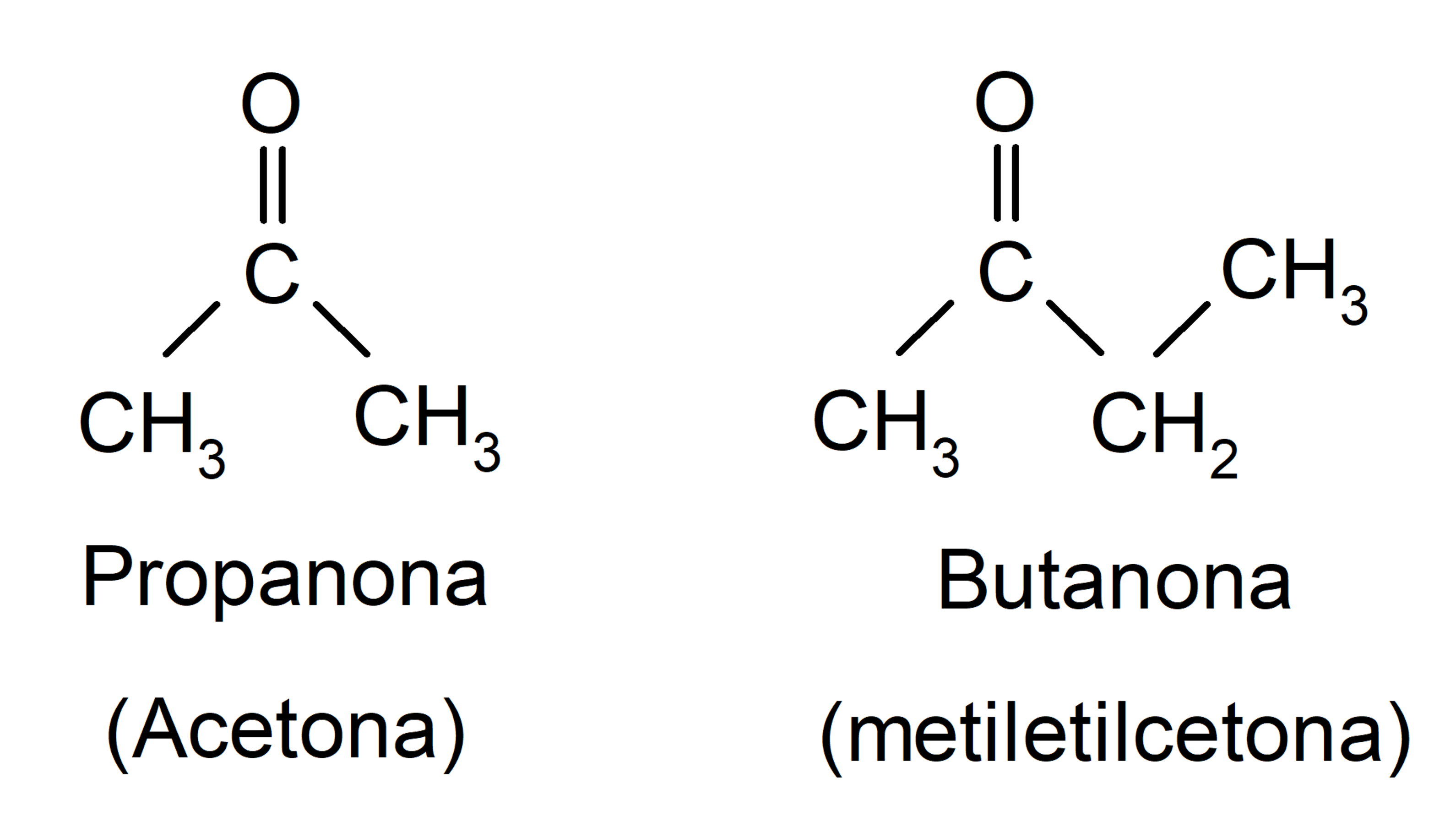
Ketones: These are organic compounds that have a carbonyl group (O=C=) bonded to two carbon atoms in their structure.
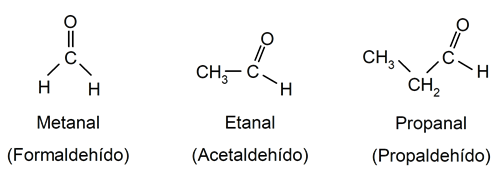
Aldehydes: These are organic compounds that have a carbonyl group (O=C=) in their structure bonded to a hydrogen atom and a carbon atom.
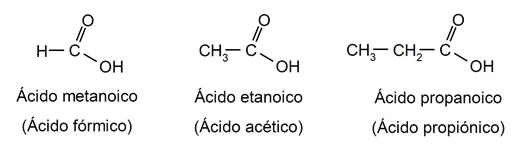
Carboxylic acids: These are organic compounds that have a carboxyl group (-COOH) in their structure.
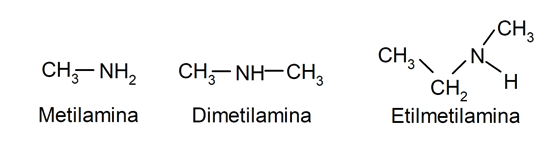
Amines: These are organic compounds whose structure results from replacing one or more hydrogens in the ammonia molecule (NH3) with certain substituents.
According to their size or molecular weight
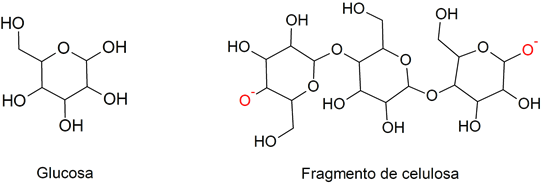
Monomers: These are molecular units that are linked by chemical bonds to form macromolecules called polymers. For example: glucose.
Polymers: These are macromolecules composed of smaller molecular units called monomers.
The essential difference between organic and inorganic chemistry has to do with the type of compounds they focus on. Organic chemistry studies compounds whose structure is based on carbon and hydrogen as their main components.
In contrast, inorganic chemistry deals equally with the rest of the chemical elements, which are capable of forming part of the substances that sustain life, but not as fundamental and primordial elements. Therefore, there are inorganic compounds that contain carbon and hydrogen, but there are no organic compounds without carbon.
Thus, inorganic chemistry mainly explores compounds formed by bonds that involve electrostatic interactions, as well as metallic compounds, the vast majority of which are good conductors of heat and electricity. On the other hand, organic chemistry studies compounds formed by covalent bonds, which are bonds formed when electrons in the outermost energy levels of atoms are shared.
Organic chemistry is very present in our daily lives in chemical processes, both natural and artificial:
Soap making: It is produced through a process called "saponification," using animal and vegetable fats.
Fermentation and distillation of sugars: It is carried out by microorganisms to obtain alcohols. With them, humans make beverages, solvents, and various products.
Starch synthesis: This is the process plants carry out during photosynthesis, which allows them to store carbohydrates in cotton and other similar materials, which can also be used by humans.
Petrochemical industry: From petroleum, polymer chains are obtained that are used to make substances as diverse as plastic, gasoline, benzene, etc.
Creation of antibiotics: Certain fungi secrete these compounds capable of killing certain types of bacteria. In addition, there are antibiotics that are synthesized in laboratories.
Remember to review the answers to the open-ended questions at the bottom of this page.
Once you click this button, the questions will close, and you won't be able to change your answer.
We recommend visiting the following material for further knowledge or understanding on the topic:
1. Organic chemistry? 2. Introduction to organic chemistry 3. Organic chemistry: Khanacademy6. Linear or cyclic.
7. They are macromolecules formed by the union of monomers through chemical bonds.
8. Allows the synthesis of drugs and antibiotics.
9. Carbon, hydrogen, oxygen, nitrogen, and sulfur.
10. Carbon acts as the central atom.
References:
1. Álvarez, D. O. (2025, 31 julio). Química orgánica - Qué es, historia y compuestos orgánicos. Concepto. https://concepto.de/quimica-organica/ https://concepto.de/quimica-organica/ https://concepto.de/quimica-organica/ https://concepto.de/quimica-organica/
2. Organic Chemistry - American Chemical Society. (s. f.). American Chemical Society. https://www.acs.org/careers/chemical-sciences/areas/organic-chemistry.html#:~:text=Organic%20chemistry%20is%20the%20study,phosphorus%2C%20silicon%2C%20sulfur. https://www.acs.org/careers/chemical-sciences/areas/organic-chemistry.html#:~:text=Organic%20chemistry%20is%20the%20study,phosphorus%2C%20silicon%2C%20sulfur
3. Khan Academy. (s. f.-e). https://www.khanacademy.org/science/organic-chemistry https://www.khanacademy.org/science/organic-chemistry
4. 1.1. Introduction to organic chemistry | Organic Chemistry 1: An open textbook. (s. f.). https://courses.lumenlearning.com/suny-potsdam-organicchemistry/chapter/1-1-introduction-to-organic-chemistry/ https://courses.lumenlearning.com/suny-potsdam-organicchemistry/chapter/1-1-introduction-to-organic-chemistry/
5. The Organic Chemistry Tutor. (2021a, marzo 29). Organic Chemistry - Basic Introduction [Vídeo]. YouTube. https://www.youtube.com/watch?v=B_ketdzJtY8 https://www.youtube.com/watch?v=B_ketdzJtY8
6. CrashCourse. (2020, 30 abril). What is organic chemistry?: Crash course Organic Chemistry #1 [Vídeo]. YouTube. https://www.youtube.com/watch?v=PmvLB5dIEp8 https://www.youtube.com/watch?v=PmvLB5dIEp8
7. Medicosis Perfectionalis. (2023a, septiembre 10). Introduction to Organic Chemistry [Vídeo]. YouTube. https://www.youtube.com/watch?v=6br-pcd5f5A https://www.youtube.com/watch?v=6br-pcd5f5A